EOS Center

Rosenberg Institute Seminar Series - Karen Thorne

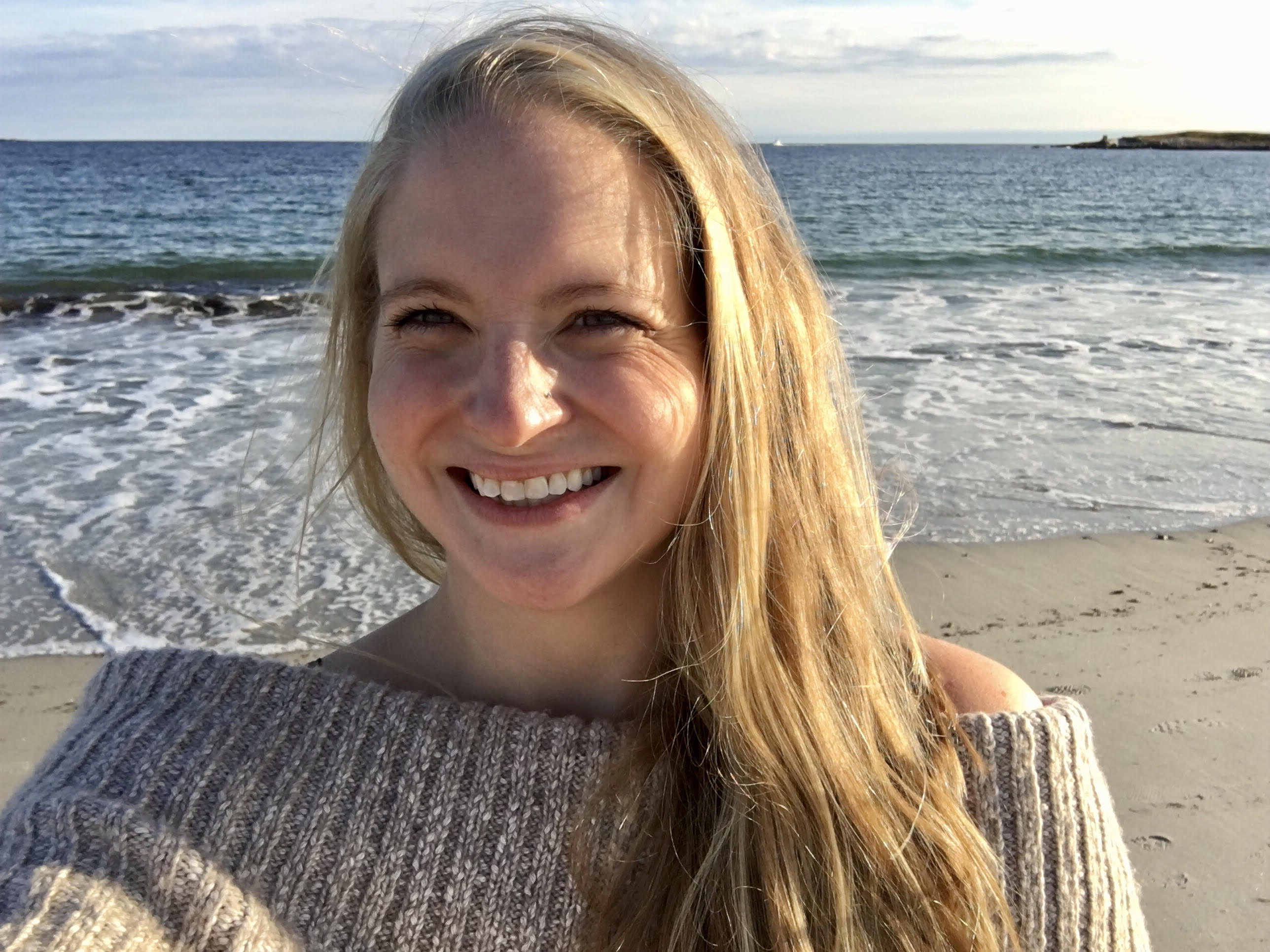
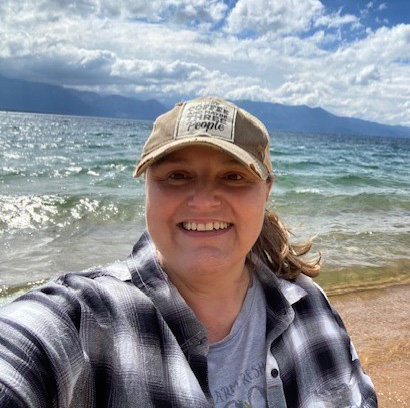
Karen Thorne, PhD, USGS Western Ecological Research Center 

The use of Nature-based Solutions to restore and protect tidal wetland ecosystems in California 

Abstract: Climate change impacts to California’s iconic coastline include higher sea levels, changes in storm frequency and intensity, warmer air and ocean temperatures, and changes in precipitation patterns. The rates of change over the next century are expected to be significantly higher than what has been observed in the past.  Sea-level rise threatens to flood or displace tidal wetlands making them a management and conservation concern, especially given the number of endemic and rare species that live there. Tidal wetlands are uniquely adapted to respond to stressful environments and changes in flooding. Because of their ability to adapt to sea-level rise they have become the focus for restoration efforts and other nature-based solutions. Studies on tidal wetland vulnerability from sea-level rise along with approaches for climate adaptation to protect these ecosystems will be presented.  

Bio: Dr. Karen Thorne is a Research Ecologist with the USGS Western Ecological Research Center in Davis, CA. She has worked in California estuaries for over 20 years. Her research focus is on climate change impacts to coastal ecosystems. In particular, her work has included assessing sea-level rise and storm impacts to coastal ecosystems, wetland ecology, restoration, and blue carbon. She conducts field research to inform climate adaptation and planning to help managers mitigate impacts and conduct restoration. She received her Ph.D. and MS from the University of California, Davis. 

Karen Thorne

Rosenberg Institute Seminar Series - Pádraig Duignan

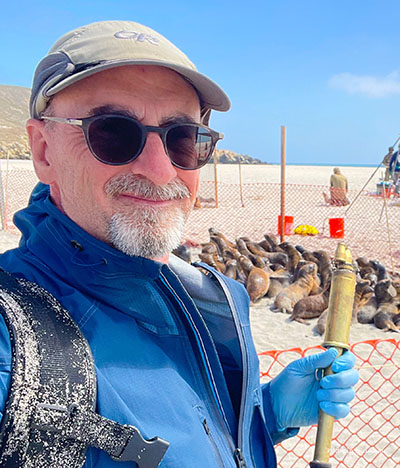
Pádraig Duignan, Director of Pathology-Chief Scientist, The Marine Mammal Center (TMMC), Sausalito, CA

Climate Change and Disease Ecology: How are California’s Marine Mammals Faring 25 Years into the 21st Century

Abstract: TMMC was established 50 years ago as a rehabilitation hospital for locally stranded marine mammals but over the past 30 years, our research has focused on the changing patterns of disease and the emergence of novel pathogens and threats. This temporal window coincides with the period of greatest global warming experienced by our planet since the start of the Anthropocene. Over this interval we have documented significant changes in the ecology of established endemic diseases such as leptospirosis in California sea lions linked to unprecedented thermal anomalies in the North Pacific; witnessed the emergence of Harmful Algal Blooms and the more subtle and insidious rise in fungal and protozoal diseases along our coast. The environmental perturbations affecting the temporal and spatial occurrence of these events and their severity are also altering the distribution of prey species, invertebrates and fish, not only impacting health through nutritional state but also be changing migration routes and patterns of aggregation that directly affect routes and rates of disease transmission. 

Bio: Pádraig graduated with an honors B.Sc. in zoology, M.Sc. in biochemistry and a DVM from University College Dublin. He compelted a pathology residency and a Ph.D. in marine mammal pathology from the University of Guelph, Ontario, Canada. After a further one-year pathology residencey at UC Davis, he accepted a postdoctoral fellowship at Massey University, New Zealand, focused on cetacean pathology and a year later, this became a faculty position during which he established the NZ Wildlife Health Center and was the first director until 2006. During this period his research was mainly focused on the endangered NZ sea lion in the Auckland Islands, and endangered Hector’s and Maui dolphins around the North and South Islands. After  NZ, he held faculty positions at the University of Melbourne, Australia, continuing health research on Australian fur seals and bottlenose dolphins as well as terrestrial wildlife, and at the University of Calgary, Alberta, as a teaching academic and pathologist for the Canadian Wildife Health Cooperative. In Canada, he continued involvement with research on NZ and Australian marine mammals and initiated a new project on narwhals in the Canadian high Arctic. He has held his current position at TMMC for almost 10 years. Some of his publications may be found here: https://scholar.google.com/citations?hl=en&user=whjdsDwAAAAJ&view_op=list_works&sortby=pubdate or through the TMMC home page: https://www.marinemammalcenter.org/citation-list 

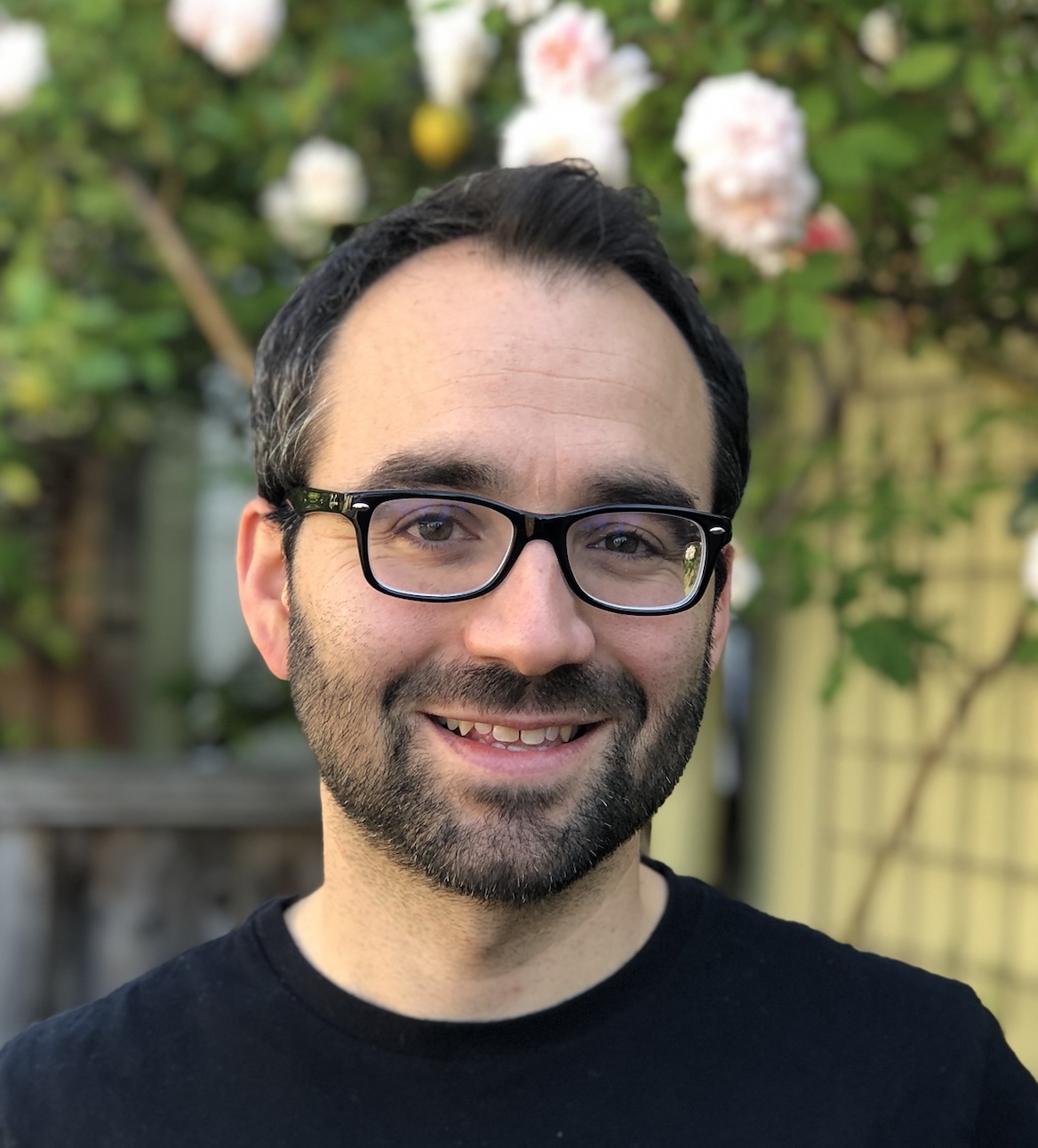
Padraig Duignan

Rosenberg Institute Seminar Series - Diamela De Veer

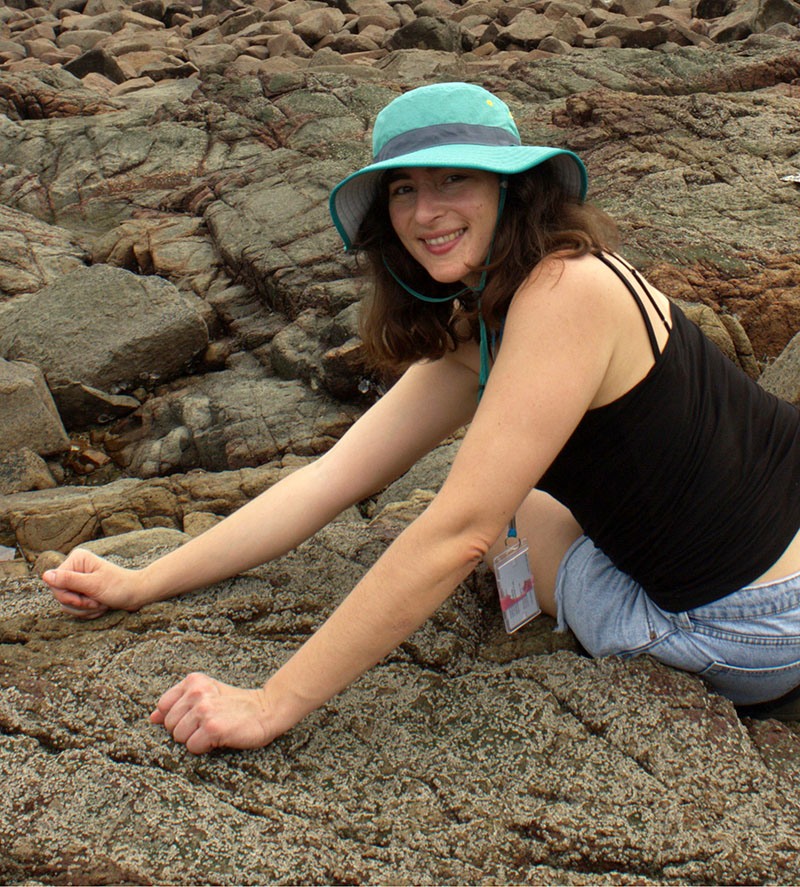
Diamela De Veer, Postdoctoral Fellow, Smithsonian Environmental Research Center

Ocean Travelers: the role of plastic debris on non-native species dispersal

Abstract: Anthropogenic marine debris (AMD), particularly plastic, has accumulated in the ocean at unprecedented levels. Once at sea, AMD is rapidly colonized by marine organisms, facilitating their dispersal and potentially expanding their distribution ranges. The Ocean Travelers II (OT II) research network—a collaboration of scientists across 19 countries in the Americas and Northeastern Europe—investigates the extent of this colonization and identifies the species using AMD as a vector for dispersal in coastal ecosystems. OT II has identified key spatial and temporal patterns in colonized AMD. Using barnacles as a model organism, the project has successfully classified common, non-indigenous, and invasive species in their discovered locations. These findings demonstrate the critical role of international collaboration in enabling the long-term monitoring of invasive species spread via AMD pollution.

Bio: Diamela De Veer is a postdoctoral researcher at the Smithsonian Environmental ResearchCenter's (SERC) Marine Invasions Laboratory. With over seven years of experience, she specializes in using participatory science to track the sources, distribution, and ecological impacts of anthropogenic marine debris throughout the Americas. She recently coordinated the international research network Ocean Travelers II, investigating how marine organisms disperse across oceans on floating debris.

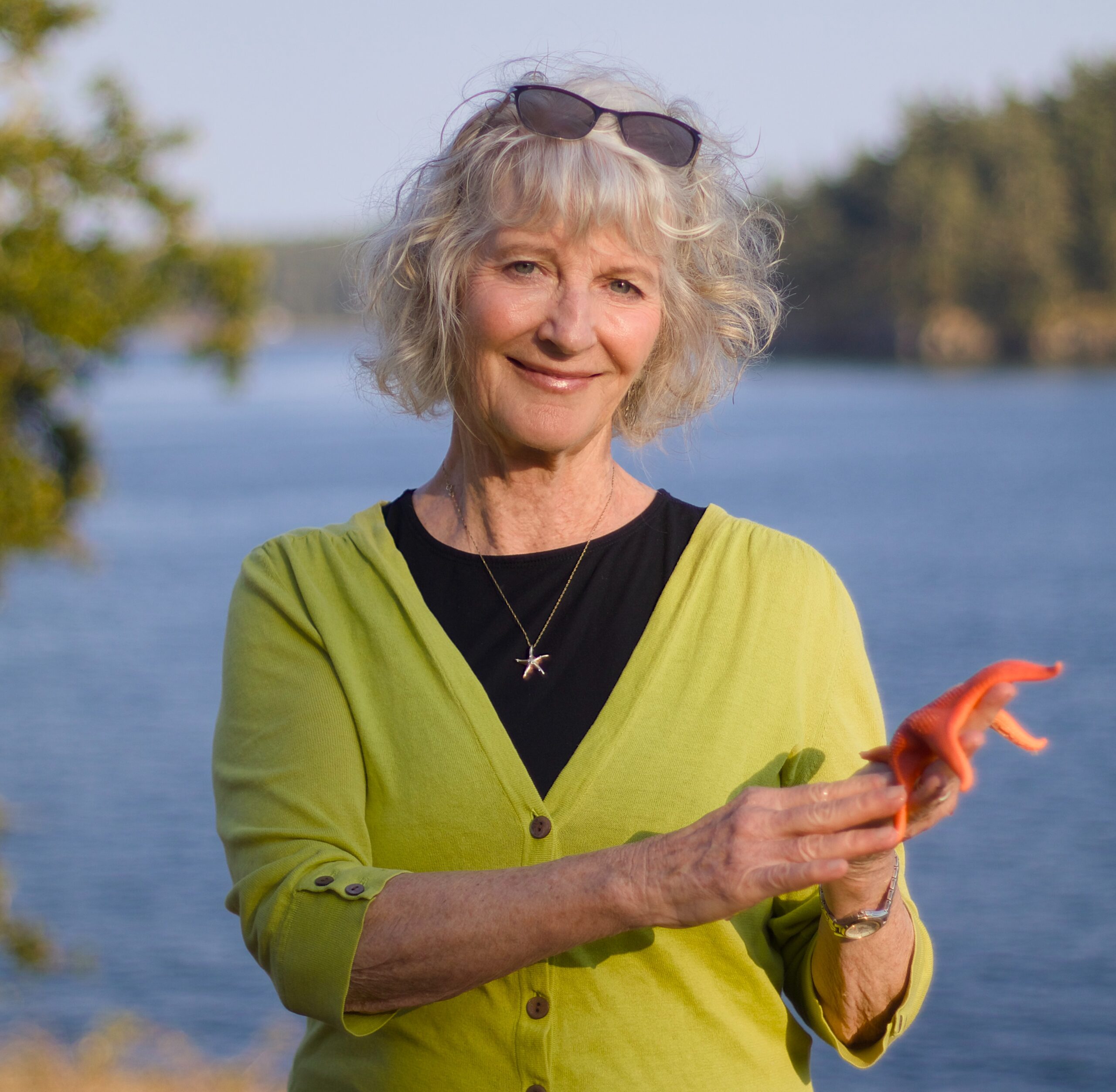
Diamela De Veer

Rosenberg Institute Seminar Series - Ed Carpenter

Ed Carpenter, Professor of Biology, EOS Center, SFSU

Plastic Earth: A Ticking Time Bomb

Abstract: Micro-plastics now pervade all habitats on Earth. Because these particles pick up toxins, they are a threat to ecosystem and Human health. The seminar will cover history of plastic production, distribution in the oceans and on land and possible effects. Also covered are ways to reduce our use of plastics.

Bio: Dr. Carpenter's research is fairly broad, but centers on phytoplankton ecology. The research has involved ocean acidification effects on a group of calcifying phytoplankton (coccolithophores), ecology of nitrogen fixation by marine planktonic cyanobacteria, biogeochemistry of the Amazon River discharge plume in the equatorial Atlantic Ocean, phytoplankton ecology of the San Francisco Bay low salinity zone, and the microbial ecology of glacial melt water streams in the Dry Valleys of Antarctica. Dr. Carpenter has been awarded the Antarctic medal for his research and service as a National Science Foundation program officer in Antarctica. Recent, ongoing research centers on the dynamics of phytoplankton abundance in San Francisco Bay and the occurrence and environmental forcing factors of toxic phytoplankton blooms around Kotzebue Alaska. This coastal village has ~3000 people, and they depend on local food sources for their sustenance, so these blooms can negatively affect their health and well-being.  He received a doctoral degree Honoris Causa from Stockholm University in Sweden in 2000. In 1964 he received his B.S. degree in Biology at SUNY College at Fredonia, and MS and PhD degrees in Zoology from North Carolina State University in 1967 and 1969, respectively. Dr. Carpenter did postdoctoral research at Woods Hole oceanographic Institution and was a research scientist there from 1969 to 1975, then was a Professor at Stony Brook University until 2000. He has been on the faculty of the Biology Department at San Francisco State University since 2000. He has carried out sabbatical research in Stockholm, Sweden, and Kiel, Warnemuende, and Munich, Germany.

Ed Carpenter

EOS Center Open House

Join us to celebrate the EOS Center's annual Marine Lab Open House, a day of discovery. We invite you to experience science in action at San Francisco State University's Estuary & Ocean Science Center at the Romberg Tiburon Campus, the only marine lab on the San Francisco Bay.

  • Meet San Francisco Bay critters at our touch tanks and exhibits.
  • Chat with local marine scientists.
  • Listen to the sounds of CA coastal whales and dolphins.
  • See how we partner with nature to reduce climate change impacts.
  • Snacks and drinks for sale.
  • Admission and parking at our Open House are FREE.

3150 Paradise Drive, Tiburon CA 94920

Sponsored by The Barbara & Richard Rosenberg Institute for Marine Biology & Environmental Science

Rosenberg Institute Seminar Series - Bob Bowers

Bob Bowers, Research Scientist, LBNL, Joint Genome Institute  

Applying single cell genomics to microbial communities at the JGI

Abstract: This seminar traces my journey to the DOE Joint Genome Institute, highlighting how microbial diversity has shaped my research, from algal genomics and airborne microbial ecology to lowbiomass communities and viral detection. I’ll describe my role in JGI’s singlecell and metagenome groups, including bioinformatics user support, then delve into two case studies: coniferneedle phyllosphere microbiomes and untargeted singlecell sequencing at Dewar Creek hot spring. Finally, I’ll showcase R&D on Primary Template Amplification and Atrandi SPC microfluidics for massively parallel singlecell workflows, including an upcoming application to resolve novel microbial populations across groundwater temperature and sulfur gradients at Henry Coe State Park. 

Bio: Robert (Bob) Bowers is a Research Scientist at the Joint Genome Institute (Berkeley, CA). As a microbiologist, his interests span microbial genomics and evolution, community ecology, and host–microbe interactions. His career has ranged from algal genomics and viral detection strategies for human and animal viruses to highthroughput microbial ecology leveraging cuttingedge sequencing platforms and bioinformatics. Most recently, he’s focused on singlecell approaches to recover more complete microbial genomes, including their mobile genetic elements and potential symbionts from diverse environmental samples. 

Robert Bowers

Rosenberg Institute Seminar Series - Roxanne Beltran

Roxanne Beltran, Assistant Professor of Ecology and Evolutionary Biology, University of
California, Santa Cruz

Unraveling individual and environmental drivers of life history trait variation in long-lived vertebrates

Abstract: Environmental variation across temporal and spatial scales shapes individual differences in traits and causes resource acquisition and allocation to fluctuate dramatically. Technological advancements including animal-borne sensors have ushered in a research renaissance showing that differences across individual animals are much more common than previously recognized. Despite this progress, critical knowledge gaps remain regarding the drivers and impacts of trait variation in wild animals - what are the secrets to individual fitness that translate to population persistence in wildlife? I investigate the ecological and evolutionary underpinnings of individual variation in elephant seals - a species that has rebounded from near extinction. I combine mark-recapture methods with cutting-edge biologging to test and refine ecological theories by identifying the physiological, anatomical, behavioral, phenological, and life-history traits shaped by developmental stages and environmental conditions. In this talk, I will highlight how my lab group’s research advances the understanding of individual-environment interactions and their impacts on populations and communities. I will also discuss future research directions, including the importance of comprehensive trait data collection and collaboration. Finally, I will underscore how integrating long-term ecological research with inclusive, field-based education programs can foster scientific discovery and promote equity in STEM. 

Bio: Dr. Roxanne Beltran is an assistant professor of Ecology and Evolutionary Biology at the University of California, Santa Cruz. She studies species interactions and global change in the open ocean, through the lens of marine mammal movement, behavior, and demography. Her research leverages the six-decade mark-recapture program of northern elephant seals at Año Nuevo in California along with environmental and biologging data to understand the role of among-individual variation in ecological patterns and evolutionary processes. Roxanne’s lab group integrates research with education activities to foster a highly collaborative community of undergraduate and graduate students, technicians, and postdoctoral researchers. She also advocates for diversity, equity, and inclusion in STEM - particularly in field settings - by undertaking and implementing research on education equity. 

Roxanne Beltran

Rosenberg Institute Seminar Series - Dan Okamoto

Dan Okamoto, Assistant Professor, University of California, Berkeley

Addressing climate change and spatial structure in temperate nearshore ecosystems  

Abstract: Nearshore marine ecosystems are among the most productive ecosystems on the planet, host diverse assemblages of ecologically, economically, and culturally important species, and also lie on the front lines of climate change. Yet like many ecosystems, classic models of organismal and ecological dynamics have often underpredicted effects of harvest and climate on both ecosystems and people. I will present recent work showing how measuring and modeling processes such as energetic plasticity, acclimatization, consumer-resource dynamics, and metapopulation structure can substantially improve our understanding of how individuals, populations, and ecosystems respond to climate change and harvest for the benefit of people.  

Bio: Dan Okamoto is an assistant professor in the Department of Integrative Biology at the UC, Berkeley.  He is a statistician, modeler, and field ecologist.  His group studies how trophic interactions, climate, and fishing affect dynamics of populations and communities, especially species like sea urchins, kelp, abalone, and forage fish. He enjoys working with communities and managers to improve fisheries and conservation. He received his PhD from UCSB, an MSc from the University of Alaska Fairbanks, a BS from the University of Washington, and worked as a post-doctoral researcher at Simon Fraser University, the Hakai Institute and at Florida State University. 

Dan Okamoto diving with sea urchin

Rosenberg Institute Seminar Series - Allison Moreno

Allison Moreno, Assistant Professor, University of California, Santa Cruz 

Southern California Respiration Quotient Controls 

Abstract: Southern California Bight coastal waters are dynamic and strongly influenced by a changing climate. An increased respiration quotient has been found during high temperature and low nitrogen conditions. These observations are specific to open ocean conditions, and their applicability to coastal environments is uncertain. To disentangle the controlling factors in a coastal environment, we examined environmental conditions, particulate organic matter, and the respiration quotient over five years in the Southern California Bight. Our study revealed clear seasonal variation in environmental conditions and biological parameters. We detected higher than previously reported respiration quotient ratios. We found a strong inverse relationship between respiration quotient, nitrate and chlorophyll. Our findings also suggest that changes in community structure, triggered by nutrient shifts and a local oil spill, affected the range in respiration quotient and explains some of the variability measured. Coastal environments are more complicated than open ocean measurements, with wider implications.  

Bio: An Assistant Professor at UC Santa Cruz. My journey is simple on paper but complex and I would have it no other way. I love complexity, which is why my lab focuses on marine biogeochemistry and its connection to deoxygenation and climate. Although my lab is just starting it is a trifecta- lab work, being out in the field, and hanging with our computers modeling new ideas. At the center of all we do is the respiration quotient and phytoplankton physiology. Everywhere I go, I come with my life experiences and am who I am- a scientist and bold Chicana.  

Allison Moreno

Rosenberg Institute Seminar Series - Susanna Theroux

Susanna Theroux, Principal Scientist, Southern California Coastal Water Research Project (SCCWRP) 

Are we there yet? Advancing DNA methods for informing environmental management and policy 

Abstract: Environmental DNA (eDNA) methods are revolutionizing the way we monitor biodiversity in California. However, the adoption of eDNA methods for informing environmental management decision-making has been slowed by a lack of standardization among researchers and poor communication with user communities. To help expediate the transition from research to implementation, we initiated a series of studies to bring the gap between eDNA researchers and environmental managers. These studies ranged across a diversity of habitats and management concerns, from harmful algal blooms to endangered Southern California steelhead. This presentation will review the myriad of successes and obstacles faced when operationalizing a novel tool for routine applications and will highlight future directions for advancing the adoption of eDNA methods. 

Bio: Susie Theroux is a Principal Scientist at the Southern California Coastal Water Research Project (SCCWRP) where she leads the environmental DNA (eDNA) research program. Dr. Theroux specializes in developing molecular methods for biomonitoring and bioassessment and leads the California Water Quality Monitoring Council’s Molecular Methods Workgroup. Prior to joining SCCWRP, Dr. Theroux was a postdoctoral fellow at the Department of Energy’s Joint Genome Institute and received her doctorate from Brown University and the Woods Hole Marine Biological Laboratory.  

Susanna Theroux