Rosenberg Institute Seminar Series - Christopher Francis
Overview
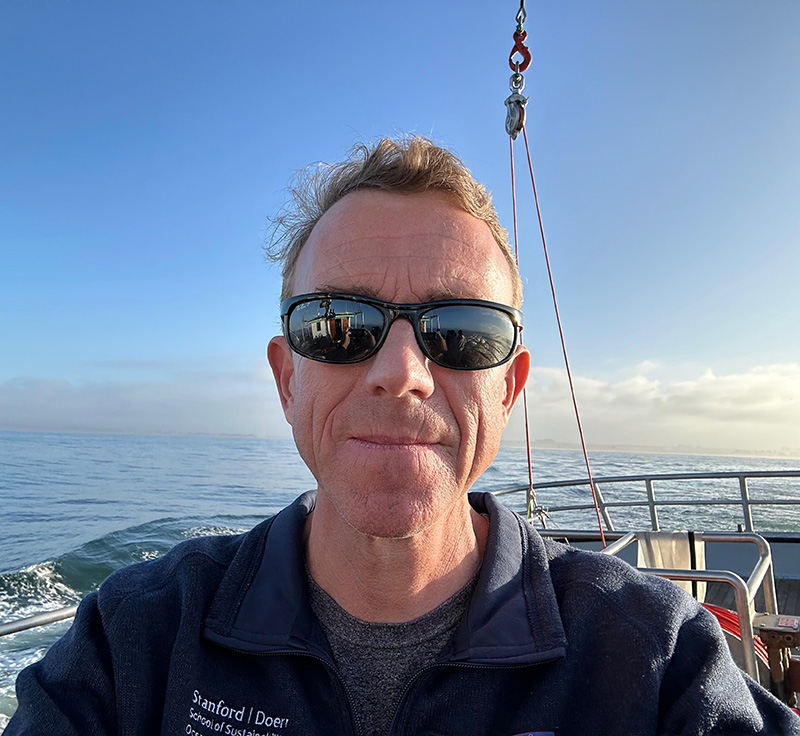
Christopher Francis, Professor of Earth System Science & Oceans, Stanford University
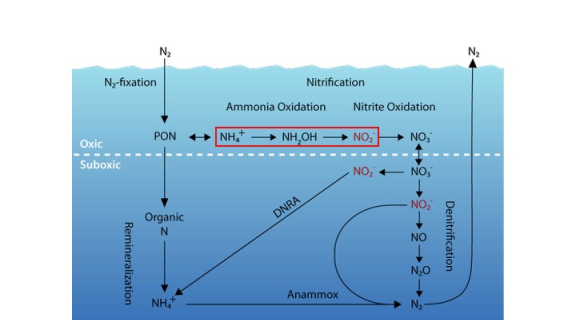
Dynamics and Activity of Ammonia-Oxidizing Archaea Blooms in South San Francisco Bay
Abstract: Ammonia-oxidizing archaea (AOA) play a critical role in the biogeochemical cycling of nitrogen in estuaries, including San Francisco Bay (SFB). Based on metagenomic and 16S rRNA gene amplicon sequencing, we observed massive AOA ‘blooms’ in South SFB, which account for >20% of the overall microbial community and co-occur with weeks of high nitrite concentrations. We also observed pronounced nitrite peaks occurring in the autumn for 7 of the last 9 years, suggesting that seasonal AOA blooms are common in South SFB. To elucidate the dynamics and activity of nitrifying microorganisms over the course of an AOA bloom, we measured nitrification rates, quantified AOA abundance, and analyzed both metagenomic and metatranscriptomic data during the autumn of 2018 and seasonally throughout 2019. Overall, our work reveals that AOA are not only abundant but also highly active during blooms, oxidizing large amounts of ammonia to nitrite—a key intermediate in the microbial nitrogen cycle.
Bio: Christopher Francis received his Ph.D. from Scripps Institution of Oceanography before moving to Princeton University, where he was a postdoctoral fellow in microbial biology and geosciences working with Dr. Bess Ward. In 2003, Dr. Francis joined Stanford University where he is currently a Professor in the Department of Earth System Science as well as the new Oceans Department where he serves as Associate Chair. His research program is focused on the molecular, genomic, biogeochemical, and ecological aspects of the microbial cycling of nitrogen, with particular emphasis on coastal and estuarine systems, including San Francisco Bay, Elkhorn Slough, and Monterey Bay.
Tags